


Your New Land Rover Fall Maintenance Guide
A 2027 Land Rover requires an autumn maintenance regimen focused on 12-volt battery load testing, tire pressure and tread adjustments, cabin and engine air filter replacements, fluid checks, brake system inspections, and electronic diagnostic scans of the air suspension and all-wheel-drive systems. Factory service schedules specify intervals of 16,000 miles or 12 months for Range Rover and Discovery models, while Defender models typically follow a 21,000-mile or 12-month schedule. Routine seasonal checkups every 10,000 to 15,000 miles maintain vehicle electrical systems, mechanical reliability, and road traction during cooler weather.
Automotive maintenance for luxury all-wheel-drive vehicles requires addressing both mechanical wear items and complex electronic control modules. Fall serves as a critical operational transition period, preparing mechanical components for increased moisture, lower ambient temperatures, and changing road surface friction. A complete seasonal checkup at our service facility covers every primary powertrain, chassis, and cabin comfort system.
A standard seasonal checkup includes:
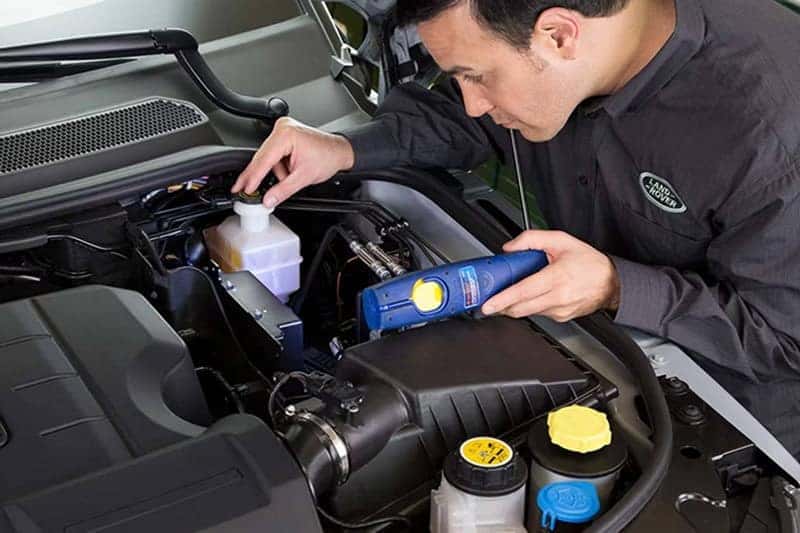
- Engine oil and filter replacement using Land Rover-approved synthetic oil to maintain lubrication across changing temperature ranges.
- Full battery health testing, terminal cleaning, and charging system diagnostic evaluation.
- Tire tread depth measurement, wear pattern inspection, and pressure calibration.
- Comprehensive brake inspection, including brake pad thickness, rotor condition, and hydraulic fluid moisture content testing.
- Drivetrain fluid verification, covering engine coolant freeze-point levels, transmission fluid, transfer case fluid, differential fluid, and windshield washer fluid.
- Replacement of cabin and engine air filters to remove summer dust, pollen, and debris buildup.
- Electronic diagnostic scan targeting Terrain Response 2 software modules and dynamic air suspension height management.
Vehicles frequently driven through the Saddleback Valley terrain in Mission Viejo encounter rolling elevations and varied surface conditions that accelerate brake and suspension wear. For drivers operating a 2027 Land Rover Defender equipped with a 4.4L V8 engine, an 8-speed automatic transmission, and an 8,200 lbs towing capacity, inspecting receiver hitches, rear differential fluids, and brake friction materials is essential after summer trail or towing use.
Maintaining proper fluid levels prevents internal oxidation and component overheating. When preparing for autumn driving, scheduling service with our team ensures factory-trained technicians inspect every system. Drivers looking to evaluate vehicle specifications can explore Land Rover Range Rover engineering details, view our service center location, or give our service advisors a quick call to discuss factory-recommended maintenance windows.
Why Are Battery Health, Tire Pressure, and Cabin Filters Essential Autumn Checks?
Cooler ambient temperatures lower 12-volt battery capacity and drop tire pressure by approximately 1 to 2 PSI for every 10-degree Fahrenheit temperature decline, while accumulated summer dust restricts cabin air filter flow. Inspecting and servicing these three components during autumn prevents starting failures, maintains tire contact patches on wet roads, and preserves cabin HVAC air filtration performance.
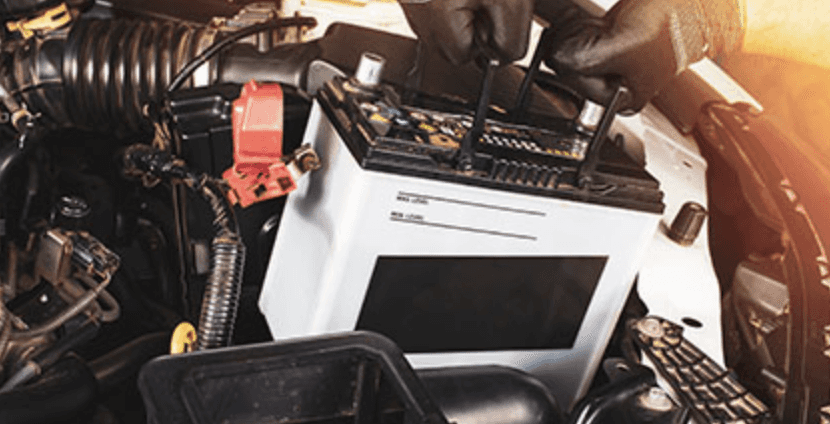 Modern Land Rover vehicles incorporate advanced electrical architectures that support power-closing doors, digital infotainment screens, active air suspension pumps, and extensive driver-assist sensor suites. Cold weather increases the internal electrical resistance of lead-acid and AGM batteries while simultaneously demanding higher cold-cranking amps to start the engine. A battery that functions adequately during summer can fail suddenly during the first cold morning. Technicians measure both static voltage and conductance during load testing to identify degradation before a total failure occurs.
Tire management directly impacts safety on wet autumn pavement. As ambient air temperatures cool, the air inside pneumatic tires contracts, causing pressure drops. Underinflated tires exhibit uneven tread wear, reduced fuel efficiency, and compromised water evacuation channels, significantly increasing hydroplaning risks. Inspecting tread depth ensures sufficient rubber remains to channel standing water away from the contact patch.
Cabin air filters trap fine particulates, wildfire smoke, dust, and environmental pollen. Over summer months, organic debris clogs filter media, restricting airflow through the heating, ventilation, and air conditioning system. Replacing the filter every 15,000 to 20,000 miles or every 2 years restores defrosting efficiency, which is critical for maintaining clear windshield visibility during crisp autumn mornings.
Owners can easily schedule a service appointment online to have these maintenance tasks completed. For drivers maintaining a new Defender model, our dedicated parts department supplies genuine factory air filters, wipers, and batteries designed specifically for your vehicle’s engine and electrical requirements.
How Do Terrain Response, Drivetrain Fluids, and Air Suspension Need Fall Inspection?
 Autumn inspection of driveline and suspension systems requires scanning electronic diagnostic codes, checking transfer case and differential fluid clarity, and inspecting air suspension bellows and valve blocks for pressure loss. These procedural checks ensure systems like Terrain Response 2 engage properly on slick, leaf-covered, or mud-slicked road surfaces.
Land Rover vehicles utilize integrated electronic control units that manage center and rear differential locking, engine throttle mapping, and traction control intervention. Selecting specialized drive settings like Grass/Gravel/Snow mode adjusts throttle sensitivity, prompts early upshifts through the 8-speed automatic transmission, and recalibrates dynamic stability control systems to mitigate wheel spin on low-friction surfaces. An autumn diagnostic scan verifies that wheel speed sensors, steering angle sensors, and module software communicate without fault codes.
Drivetrain fluid maintenance protects expensive internal gear assemblies. Transfer cases and front or rear differentials rely on synthetic gear oils that degrade over time due to heat, friction, and moisture accumulation. Standard maintenance schedules recommend fluid renewal every 30,000 to 60,000 miles, but severe duty, off-road driving, or water crossing requires earlier service to prevent gear pitting and bearing wear.
Air suspension systems require physical and electronic inspection before winter. Dropping ambient temperatures cause minor rubber cracks in air struts to stiffen, potentially accelerating air leaks. Key indicators of air suspension leakage include:
- The vehicle sagging on one corner or axle after sitting parked overnight.
- Extended air compressor run times or loud compressor operation noises during ride-height transitions.
- Delayed height adjustments when toggling between access height and off-road height settings.
- Dashboard warning messages indicating suspension fault or speed restriction limits.
Drivers navigating the foothill trails near Coto De Caza benefit from verifying that off-road ride heights and differential locks engage cleanly before heading off paved roads. Vehicle owners can arrange an auto air filter replacement and driveline inspection through our certified service team.
Common Questions About Land Rover Seasonal Service
Q: What maintenance interval is recommended for routine Land Rover seasonal service?
Land Rover factory guidance recommends routine maintenance service every 16,000 miles or 12 months for Range Rover and Discovery models, and every 21,000 miles or 12 months for Defender models. However, standard seasonal maintenance checks—including oil and filter changes, tire rotations, fluid checks, and multi-point safety inspections—are commonly conducted every 10,000 to 15,000 miles or twice annually to account for severe driving conditions and climate changes.
Q: How does autumn weather impact Land Rover 12-volt battery performance?
Cooler autumn air reduces chemical activity inside the 12-volt battery, decreasing available cranking power while engine starter motors demand higher current to turn over cold oil. Because Land Rover models run complex electrical networks, power-assisted features, and active safety control modules, a battery with reduced capacity will trigger intermittent electronic faults or cause no-start conditions during sudden temperature drops.
Q: When should the cabin air filter be replaced in a Land Rover model?
Cabin air filters are typically replaced every 15,000 to 20,000 miles or every 2 years, though annual replacement during fall is standard practice. Replacing the cabin air filter after summer removes accumulated dust, pollen, and debris, ensuring full air volume flows through the HVAC system to keep windshields clear of fog and moisture during cooler weather.
Q: What are the signs that air suspension components need maintenance before winter?
Early warning signs of air suspension component wear include the vehicle sinking on one corner overnight, prolonged air compressor operating times, slow ride-height adjustments, or ride-height fault lights on the instrument cluster. Inspecting air bladders, valve blocks, and air lines during fall prevents complete air pump failure when rubber bladders stiffen in colder weather.
Q: How often should differential and transfer case fluids be serviced?
Land Rover transfer case and differential fluids are generally scheduled for replacement between 30,000 and 60,000 miles. Vehicles subjected to frequent trail driving, heavy towing, or deep water crossings require more frequent fluid inspections and shortened replacement intervals to protect internal bearings and gears from thermal breakdown and contamination.
Schedule Your Autumn Land Rover Service in Mission Viejo
Preparing your Land Rover for autumn driving conditions ensures peak engine performance, crisp handling, and total electrical reliability. From comprehensive battery testing and tire recalibration to complete fluid replacements and diagnostic system scans, specialized factory maintenance protects your vehicle’s mechanical integrity and long-term resale value.
Our service center features factory-trained technicians, advanced diagnostic equipment, and genuine OEM parts engineered specifically for your model. Contact our service team today by placing a quick call or view our service center location to schedule your comprehensive autumn maintenance inspection.
© 2026 Land Rover Mission Viejo. All rights reserved.
*All mileage is EPA estimated.
0 comment(s) so far on Your New Land Rover Fall Maintenance Guide