Open Today Sales: 9 AM-7 PM


Hours:
Open Today Sales: 9 AM-7 PMOpen Today Service: 7:30 AM-5:30 PM
Location
Drivers should know that routine oil change service protects internal engine components from premature wear, heat friction, and sludge accumulation, with modern full synthetic oil requiring replacement every 7,500 to 10,000 miles or 12 months, while severe driving conditions necessitate shorter intervals of 3,000 to 5,000 miles. Motor oil serves as the primary lifeblood of the powertrain, lubricating moving metal parts, cooling intense combustion heat, and trapping harmful debris before it causes internal micro-abrasions.
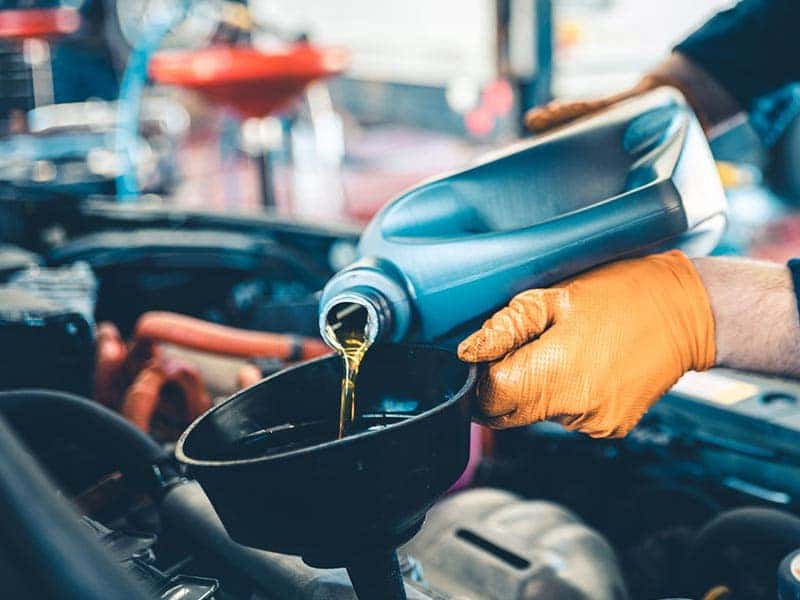 Severe driving conditions alter standard maintenance timelines significantly. In suburban communities like Mission Viejo, frequent stop-and-go driving along commercial corridors, short trips where the engine fails to reach full operating temperature, and summer temperatures exceeding 90°F cause engine oil to break down faster through thermal oxidation. Under these demanding conditions, practical maintenance schedules dictate shortening factory service intervals by roughly 30 to 50 percent to preserve engine performance.
Regular oil changes also safeguard critical factory coverage, such as a 4-year/50,000-mile limited warranty, by proving that mandatory maintenance schedules have been upheld. Drivers servicing their vehicles at our convenient location receive full OEM-compliant recordkeeping alongside thorough inspections. To speak directly with an advisor regarding recommended intervals for your specific vehicle, contact our team at 949-359-4941.
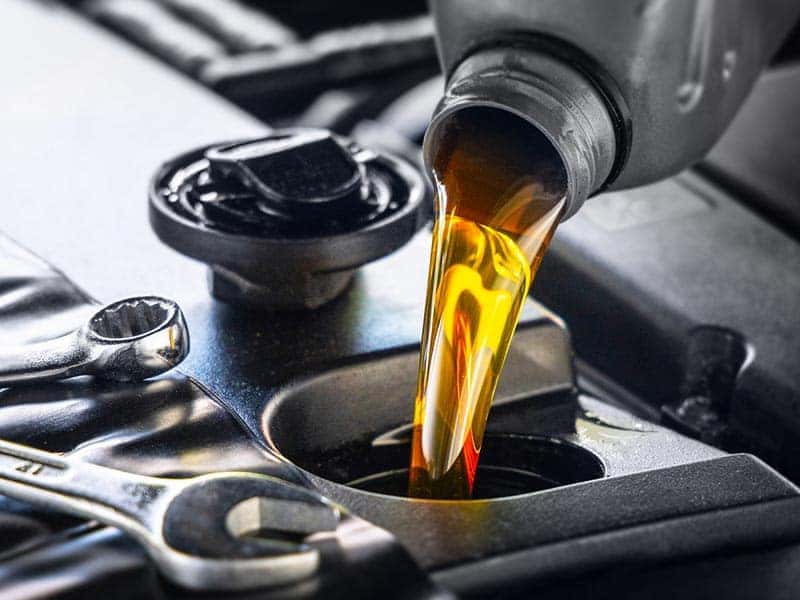 Drivers can safely switch back to conventional oil after using synthetic oil, as modern engine lubricants are fully compatible and chemically mixable without damaging internal engine seals or gaskets. An old industry myth claimed that switching back and forth between oil types caused crankcase leaks or chemical reaction sludge, but modern chemical engineering has eliminated those concerns completely. Synthetic and conventional lubricants utilize compatible base stocks and additive packages that mix without adverse physical effects.
While switching back to conventional oil will not physically damage a standard engine, doing so reduces thermal protection and requires returning to shorter service intervals of 3,000 to 5,000 miles. Synthetic lubricants offer superior high-temperature stability, shear resistance, and cold-flow properties compared to refined conventional base stocks. Conventional oil breaks down much quicker under intense thermal stress, leaving behind varnish deposits on critical valve trains and camshaft phasers over time.
For high-performance, high-output powertrains—such as a 2.0L turbocharged engine or a 3.0L inline-six—switching to conventional oil is strongly discouraged by engineers and may violate warranty conditions. Turbochargers operate at extreme rotational speeds and thermal thresholds that instantly vaporize lower-tier conventional lubricants, leading to oil starvation and bearing failure. Modern powertrains require specialized formulations, such as low-viscosity 0W-20 or 5W-30 synthetic oils, that meet rigorous manufacturer performance ratings. Sourcing factory-specified fluids from our genuine parts department ensures your vehicle receives the exact additive formulation required by engineering standards.
The factors that can affect the cost of a luxury oil change is determined by oil capacity, specialized synthetic fluid requirements, specialized filter media, and the diagnostic reset procedures required for advanced vehicles. Standard commuter cars often take 4 to 5 quarts of conventional or basic synthetic fluid, whereas sophisticated engineering demands far higher fluid volumes and specialized chemical standards.
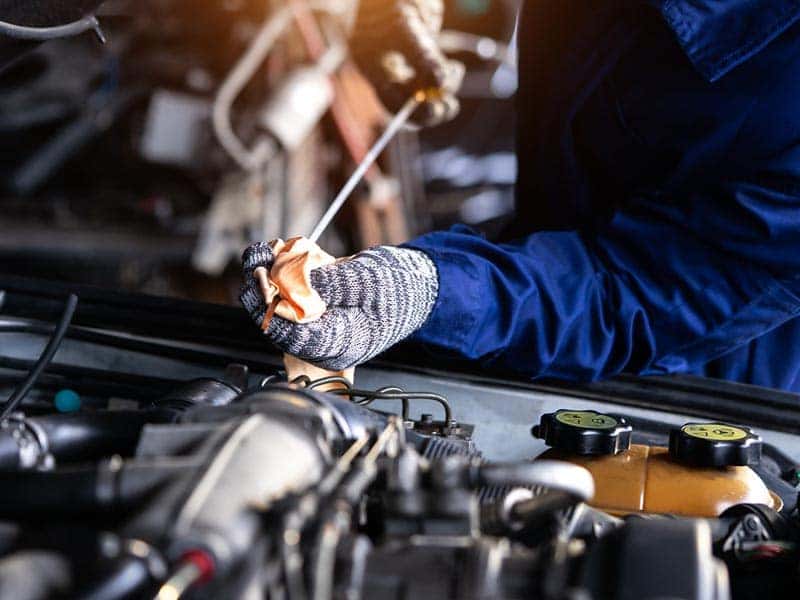 Engine oil capacity represents a primary cost factor in premium vehicles. High-performance luxury engines feature deep oil sumps requiring anywhere from 6 to 9 quarts of full synthetic fluid. Furthermore, these powertrains demand oils meeting exacting factory approvals, such as STJLR.51.5122, which contain specialized chemical additives to protect complex timing chains and variable valve timing mechanisms.
Equipment design and labor procedures also impact total costs:
Vehicles driven frequently around coastal areas like San Clemente encounter damp sea air and sandy road residue, making comprehensive underbody checks and premium filter seals vital during routine maintenance.
A vehicle oil life monitoring system calculates remaining fluid life through complex software algorithms that evaluate real-time engine telemetry—such as operating temperatures, engine revolutions, trip durations, and idling time—rather than relying solely on odometer distance. The vehicle’s central computer continuously tracks operating conditions to determine how rapidly thermal breakdown and additive depletion are occurring within the crankcase.
Short trips in cool weather cause water vapor and unburned fuel to accumulate in the crankcase, causing the oil life monitor to reduce remaining percentage figures rapidly. Conversely, steady highway cruising at optimal operating temperatures allows fuel contaminants to burn off naturally, allowing the system to extend calculated interval projections toward maximum factory limits.
Ignoring maintenance alerts eventually leads to noticeable symptoms, including dark gritty oil, valve ticking at idle, sluggish response, or an illuminated warning light. If a red low oil pressure warning symbol illuminates while driving, pull over safely and shut off the engine immediately to prevent catastrophic internal hardware destruction. Drivers can easily schedule a service appointment online to keep their vehicle’s engine running at peak efficiency.
Pull over safely and turn off the engine immediately. A red oil pressure light indicates a dangerous drop in hydraulic oil pressure, meaning engine components are operating without critical lubrication. Continuing to drive even a short distance with this light on can cause permanent engine destruction within seconds. Tow the vehicle directly to a certified service center for diagnosis before starting the engine again.
The numbers represent the oil’s resistance to flow at cold and hot operating temperatures. The first number followed by “W” indicates winter or cold-start flow rating, where lower numbers like 0W or 5W mean the oil pumps quickly through cold engine galleries. The second number, such as 30, represents oil thickness at standard operating temperature (212°F), ensuring structural film strength under extreme engine heat.
Using engine oil that fails to meet required manufacturer specifications can jeopardize warranty coverage if an engine failure occurs due to lubrication issues. Standard warranties require maintaining vehicles according to factory guidelines using fluids that match specified viscosity grades and performance standards. Always keep detailed service records showing the exact oil specification used during every service visit.
Dealership service encompasses comprehensive vehicle health checks rather than just draining fluid. Certified technicians remove structural protective underbody trays, replace single-use drain seals, inspect suspension bushings and brakes, run electronic diagnostic checks, and perform multi-stage digital oil level verifications. This systematic approach identifies potential safety or mechanical issues before they turn into costly breakdowns.
Replacing the oil filter during every service is critical because the filter traps microscopic carbon deposits, dirt, and metal shavings. Leaving a saturated filter in place forces dirty oil through a bypass valve directly back into the engine, contaminating fresh oil immediately. Fresh full synthetic oil should always be paired with a clean, high-efficiency filter cartridge.
Keeping up with routine oil change intervals protects your vehicle’s engine performance, fuel efficiency, and long-term resale value. Whether you require standard maintenance, diagnostic inspections, or genuine OEM fluids, our factory-trained technicians provide expert care engineered specifically for your vehicle.
Visiting our local service facility gives you access to specialized diagnostic equipment, factory-certified parts, and specialized technicians dedicated to precision vehicle care. Contact our service department at 949-359-4941 to reserve your appointment time. Whether servicing your current vehicle or reviewing engineering options on a Land Rover Range Rover, our team is ready to deliver superior automotive service.
© 2026 Land Rover Mission Viejo. All rights reserved.
*All mileage is EPA estimated.