Open Today Sales: 9 AM-7 PM


Hours:
Open Today Sales: 9 AM-7 PMOpen Today Service: 7:30 AM-5:30 PM
Location
Regular cabin air filter replacement is necessary to clean incoming ventilation air, protect climate control components, and maintain clear windshield defogging. A fresh filter traps pollen, dust, soot, and road debris before contaminants enter the interior. Replacing it prevents airflow restriction, eliminates musty odors, and stops excessive strain on the climate control blower motor.
 The cabin air filter acts as a primary sanitation barrier between ambient outside conditions and the passenger compartment. Every cubic foot of air pulled through the heating, ventilation, and air conditioning system passes through this dense media. Unlike an engine air filter—which cleans air destined for the intake manifold and engine combustion—the cabin filter strictly purifies the air breathed by passengers.
Modern vehicles utilize multi-stage filter media often infused with an activated carbon or charcoal layer. This material neutralizes harmful exhaust gases, ozone, and road fumes while capturing microscopic particulates down to 2.5 microns. Over time, trapped organic material, dirt, and moisture build up across the pleated surfaces. Allowing a filter to remain saturated severely restricts overall ventilation volume.
Maintaining fresh filtration media prevents dust accumulation across delicate interior controls, keeps leather and upholstery cleaner, and ensures steady cabin temperature regulation during long family trips across Mission Viejo. Replacing the filter at recommended maintenance intervals protects sensitive electronic sensors located within the dashboard ductwork.
Drivers looking to maintain optimal cabin air quality can arrange routine care through our service center location on Marguerite Parkway to inspect your current filter element.
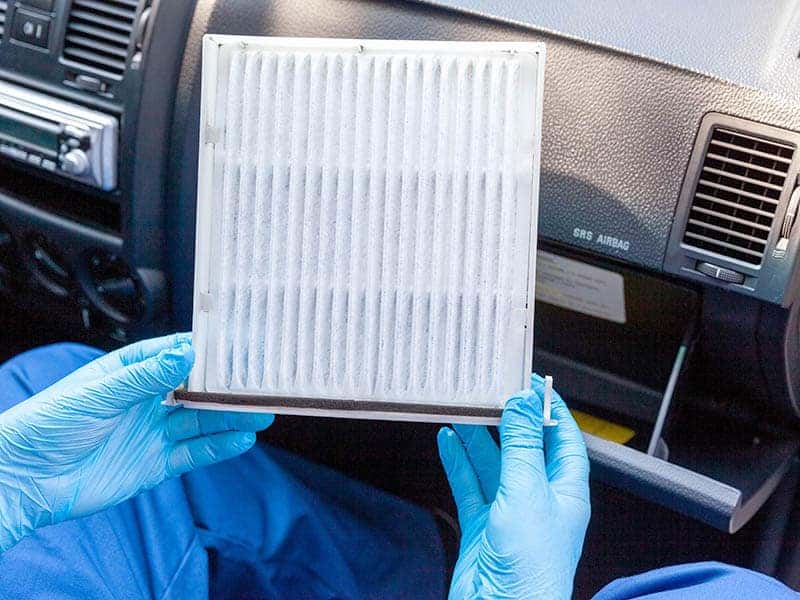 Automotive manufacturers generally recommend changing the cabin air filter every 12,000 to 15,000 miles or once every 12 months. However, frequent driving in dusty terrain, heavy urban traffic, or high-pollen environments often requires replacement closer to every 10,000 miles to preserve airflow.
While a 12-month interval works well for standard paved commutes, localized driving conditions heavily dictate actual filter lifespan. Vehicles frequently operated on dirt roads, unpaved fire access routes, or coastal trails load their filtration media significantly faster. Environmental factors that accelerate filter clogging include:
Drivers who bring their vehicle in for climate system checks before spring pollen season usually notice an immediate boost in vent volume once a fresh filter is installed. Timing filter replacements prior to heavy allergy seasons or winter weather ensures the climate system delivers peak airflow when needed most.
During routine multi-point inspections, technicians check the filter by removing the access panel behind the glovebox housing. Visually inspecting the element reveals whether pleats are discolored, packed with organic matter, or compromised by trapped moisture. Pairing interior filter care alongside other routine engine maintenance, such as our lifetime oil filter program, keeps overall vehicle service synchronized and straightforward.
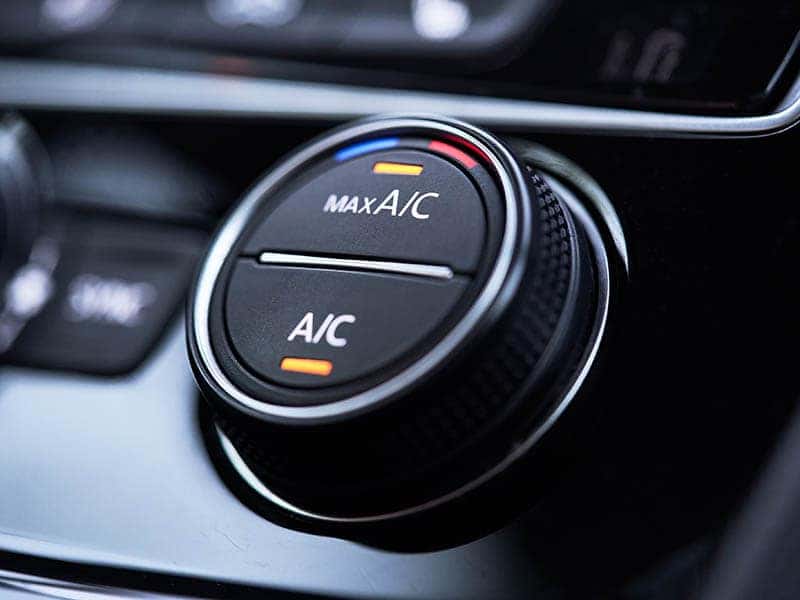
Common signs of a dirty cabin filter include weak vent airflow, persistent musty smells at system startup, noisy blower fan operation, and rapid window fogging. A heavily restricted filter increases backpressure on the HVAC blower motor, causing it to draw higher electric current and risk thermal damage over time.
When debris fills the filter pleats, the climate control fan must push air against significant resistance. Drivers usually notice one or more clear operational symptoms:
Beyond passenger discomfort, ignoring an overdue filter places undue mechanical stress on heating and cooling hardware. Restricted airflow starves the air conditioning evaporator core of thermal exchange, which can cause the evaporator coils to freeze up. Simultaneously, the electric blower fan motor works harder to compensate for static backpressure. This continuous strain forces the blower motor and its electrical resistor to operate at elevated temperatures, leading to premature electrical failure or blown fuses. Replacing a dirty filter promptly avoids expensive climate component repairs down the road.
An engine air filter cleans ambient air entering the engine’s intake system to protect internal cylinders and ensure proper fuel combustion. A cabin air filter purifies air drawn into the heating, ventilation, and air conditioning system to remove dust, pollen, soot, and allergens before they enter the passenger seating area.
Yes, a restricted or saturated cabin filter prevents the climate control system from efficiently pulling damp air out of the interior. When airflow across the windshield defroster is choked, condensation lingers on glass surfaces much longer, reducing visibility during rain or humid mornings.
A fresh cabin filter features bright white or light gray synthetic pleats. An overdue filter exhibits dark gray or black discoloration, heavy dirt buildup inside the pleated folds, visible leaf fragments, or matted grime. If pleats are packed with debris or light cannot pass through when held to a light source, it requires replacement.
While basic filters are accessible behind the glovebox on some vehicles, luxury performance models often position the filter housing near delicate dashboard trim, wiring harnesses, or electronic climate dampeners. Professional installation ensures correct airflow orientation, tight housing seal alignment, and genuine OEM fitment without damaging surrounding interior panels. You can schedule a service appointment online to have our technicians inspect your filter.
An overdue filter loses its electrostatic charge and structural integrity, allowing fine pollen, mold spores, road dust, and exhaust particulates to bypass the media. Replacing the element restores active filtration, mitigating sneezing, watery eyes, and respiratory discomfort during travel. Our genuine OEM parts department supplies factory-grade replacement media tailored to exact interior dimensions.
Technicians evaluate cabin air filtration during standard multi-point maintenance visits and scheduled service intervals. Adhering to factory guidelines ensures heating and cooling systems remain efficient throughout ownership.
Scheduling a professional cabin air filter replacement restores clean interior air quality, eliminates cabin odors, and maintains optimal climate system efficiency. Our factory-trained service team installs genuine OEM filter media designed specifically for your vehicle’s heating and air conditioning system.
A clean filter ensures your ventilation system delivers powerful defrost performance, quiet fan operation, and consistent temperature control year-round. Replacing this simple component on schedule protects expensive climate control actuators and blower motors from unnecessary strain while keeping your cabin environment fresh and comfortable.
Reach out to our service team by phone at or visit our dealership address to have your interior filter checked by certified professionals today.
© 2026 Land Rover Mission Viejo. All rights reserved.
*All mileage is EPA estimated.