Open Today Sales: 9 AM-7 PM


Hours:
Open Today Sales: 9 AM-7 PMOpen Today Service: 7:30 AM-5:30 PM
Location
A high-performance braking system relies on precise hydraulic pressure and premium friction materials to bring a heavy luxury SUV to a safe, controlled stop. Over time, heat and friction naturally degrade these vital components, reducing your stopping power and potentially compromising advanced safety systems. Most manufacturers recommend having your braking system visually inspected, including the pads, rotors, and fluid level, at least once a year or every 12,000 miles. Keeping up with this schedule ensures that advanced safety systems like emergency brake assist and electronic brake-force distribution function exactly as engineered.
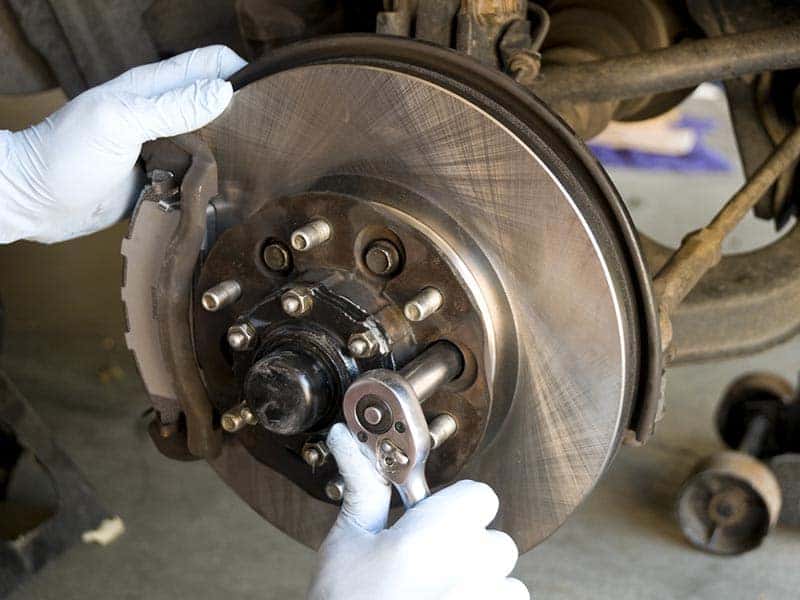 Our factory-authorized service department provides specialized care designed to preserve your vehicle’s exceptional stopping performance. When you bring your vehicle to us, our factory-trained technicians meticulously inspect every part of the system, from the pedal feel to the brake lines and calipers. You can easily schedule a service appointment online to have our team evaluate your vehicle. We stock authentic components in our parts department to guarantee a perfect fit and long-lasting durability, and you can explore our current service and parts specials to maximize value.
If you prefer speaking to an advisor directly, give us a quick call to discuss any concerns you have about your vehicle’s stopping performance. For those driving in, our service center on Marguerite Parkway is centrally located and fully equipped with the latest diagnostic technology. While your vehicle is on the lift, our technicians can also perform routine care like an engine air filter replacement to maintain overall efficiency.
While many drivers assume that brakes only require attention when they completely fail to stop the vehicle, the system actually provides several subtle acoustic and physical warnings long before a critical failure occurs. Squealing or high-pitched screeching during light braking is often the first indicator, caused by built-in wear indicators designed to contact the rotor when the friction material is thin. If this sound is ignored, it eventually progresses to a harsh, metallic grinding noise, indicating that the pads are completely worn and the metal backing plates are directly damaging the rotors. Navigating the daily stop-and-go traffic along Crown Valley Parkway in Mission Viejo places significant stress on your friction material, making it crucial to address these warning sounds immediately to avoid costly rotor replacements.
A soft or spongy brake pedal that sinks slowly toward the floor is another critical safety warning sign. This symptom typically indicates that air or moisture has entered the hydraulic lines, or that the master cylinder is beginning to fail. Furthermore, a red brake system warning light on your dashboard should never be ignored, as it generally indicates low brake fluid, an engaged parking brake, or a serious hydraulic malfunction. If your vehicle features an advanced anti-lock braking system, a separate ABS warning light may illuminate to signal a fault that could reduce stability during emergency stops.
A sticking or failing brake caliper can also severely compromise your safety and vehicle control. When a caliper fails to release properly, it causes the vehicle to pull noticeably to one side during braking, often accompanied by a burning smell and excessive heat radiating from the affected wheel. If you notice any of these warning signs, feel free to contact our team to consult with an expert. Our technicians are trained to identify these issues on all makes, including premium models like a pre-owned Audi Q7. We provide the same meticulous care whether you drive a pre-owned Toyota or another luxury vehicle.
Have you ever felt a distinct, rapid vibration pulsing through your steering wheel the moment you apply the brakes at highway speeds? This shaking is most commonly caused by warped or unevenly worn brake rotors, which prevent the brake pads from making smooth, consistent contact. Rotors can warp due to extreme heat buildup, which often occurs during repeated hard stops or when driving down steep declines. For drivers navigating the steep coastal bluffs and moisture-rich marine layer in San Clemente, the combination of downhill braking and salty air can accelerate rotor surface corrosion, leading to uneven wear and noticeable pedal pulsation.
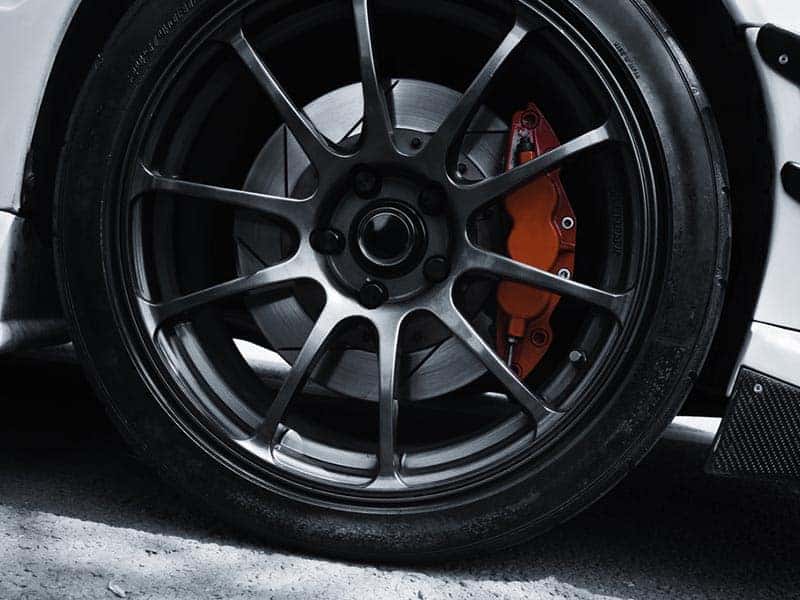 When a rotor develops variations in thickness, the brake pads literally bounce over the high and low spots, transmitting that vibration up through the steering linkage and into your hands. While some drivers believe this is merely an annoyance, it actually reduces the efficiency of your braking system and increases your total stopping distance. Professional technicians can measure the runout and thickness variation of your rotors using precision dial indicators to determine if they can be resurfaced or if they must be replaced entirely.
Addressing these vibrations early also protects your vehicle’s steering and suspension components from premature wear caused by constant shaking. While addressing your brake system, you can also discover our oil filter program for long-term engine health. This comprehensive approach ensures maximum stability and safety even for high-performance models like a pre-owned BMW, maintaining the integrity of advanced driver assists like electronic stability control and cornering brake control.
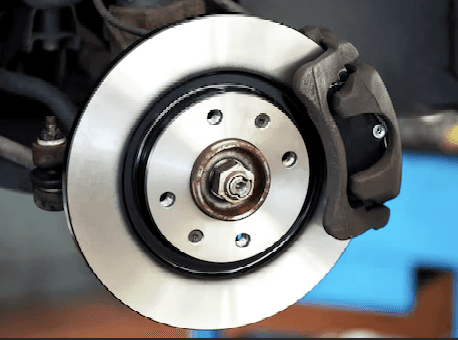 On almost all modern passenger vehicles, the front braking components handle roughly 70 percent of the total stopping force due to forward weight transfer during deceleration. Consequently, front brake pads and rotors typically wear out much faster than the rear components, requiring more frequent replacement. However, rear brakes still play a critical role in vehicle stability, preventing the rear of the vehicle from rising excessively and assisting with electronic traction systems.
When it comes to replacing these critical components, choosing original equipment manufacturer parts is highly recommended over generic aftermarket options. Genuine OEM brake pads are specifically engineered to match the weight, performance characteristics, and acoustic profile of your exact vehicle model. This precise engineering ensures quiet operation, minimal brake dust, and consistent stopping distances without the trial-and-error often associated with aftermarket brands. This is particularly true for high-performance pre-owned Audi models that rely on precise friction formulations to maintain their driving dynamics.
In addition to replacing worn pads, performing a brake fluid flush is a vital part of comprehensive brake maintenance. Brake fluid is hygroscopic, meaning it naturally absorbs moisture from the air over time, which lowers its boiling point and can lead to internal corrosion within the calipers and master cylinder.
You can learn more about our dealership and our commitment to service excellence by reviewing these answers to common brake maintenance questions.
Ceramic brake pads can last up to 80,000 miles under optimal driving conditions, though standard driving habits typically yield a lifespan of around 40,000 miles. Heavy vehicles, frequent stop-and-go commuting, and mountain driving can shorten this lifespan significantly, requiring more frequent inspections.
A red brake warning light indicates low brake fluid, an engaged parking brake, or a serious hydraulic system malfunction. If this light remains illuminated after fully releasing your parking brake, you should pull over safely and seek professional assistance immediately.
Yes, technicians can adjust the parking brake cable tension or service the electronic parking brake actuator to ensure it holds securely. This is a vital consideration for drivers preparing for lease-end vehicle inspections to ensure all safety systems are fully operational.
Brake fluid naturally absorbs moisture over time, which lowers its boiling point and can cause a spongy pedal feel under heavy braking. Regular fluid flushes prevent internal corrosion and maintain consistent hydraulic pressure throughout the system.
When drivers ask our service advisors about maintaining their vehicle’s off-road and on-road composure, the conversation always begins with the integrity of the braking system. Our service advisors often note that drivers coming in for routine oil changes frequently ask whether a squeak after a damp morning requires immediate pad replacement. While temporary surface moisture is normal, consistent noises or physical vibrations require professional diagnostics to keep advanced safety systems like dynamic stability control and electronic traction control working in perfect harmony.
To consult with our team or drop off your vehicle, our physical location is easy to reach. Please give us a call today to discuss your maintenance needs.
© 2026 Land Rover Mission Viejo. All rights reserved.
*All mileage is EPA estimated.