Open Today Sales: 9 AM-7 PM


Hours:
Open Today Sales: 9 AM-7 PMOpen Today Service: 7:30 AM-5:30 PM
Location
A car battery requires replacement every 3 to 4 years for standard flooded lead-acid units, or every 4 to 6 years for high-performance Absorbent Glass Mat (AGM) batteries. Immediate replacement is necessary when you experience slow engine cranking, dimming exterior lighting, rapid clicking noises during startup, or when diagnostic load testing indicates a degraded state of health.
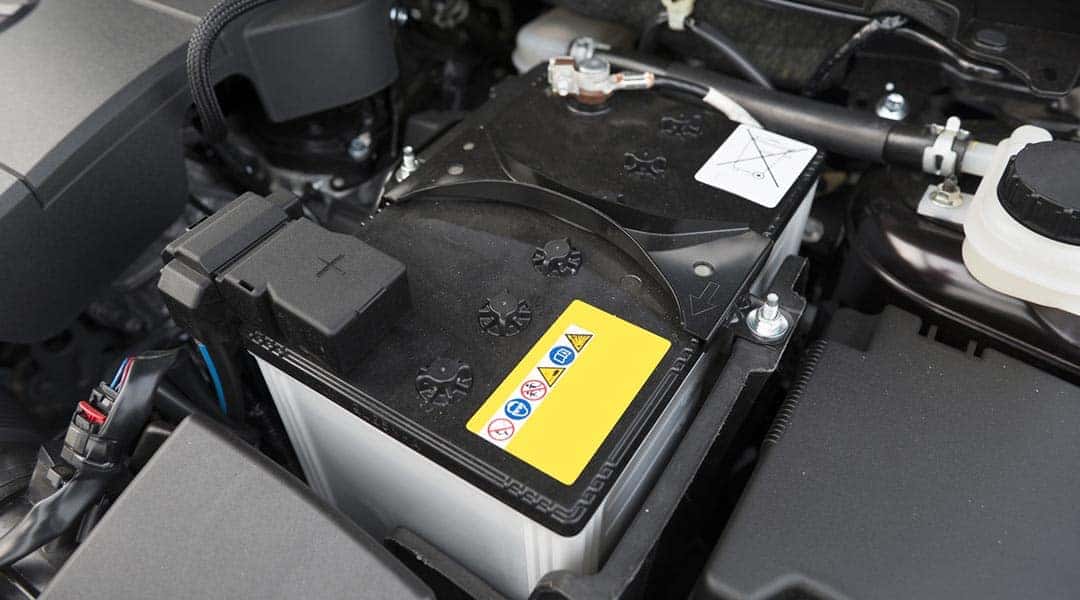 Over time, chemical components within a vehicle battery naturally lose their ability to store and deliver electrical charge. In modern luxury vehicles like the 2026 Land Rover Range Rover Sport, electrical demands extend far beyond starting the internal combustion engine. Onboard computers, advanced driver-assist systems, active air suspension, and high-output infotainment features draw continuous power. When an aging battery can no longer deliver stable voltage, performance degradation across these electronic systems often serves as the first warning sign before total starting failure occurs.
Proactive battery testing during routine service appointments is the most effective way to prevent unexpected breakdowns. Our certified technicians evaluate battery health using computerized conductance analyzers that measure internal resistance and remaining Cold Cranking Amps. If you notice delayed starting performance or suspect your battery is nearing the end of its functional life, you can visit our convenient Marguerite Parkway facility for a comprehensive electrical check, or give our service advisors a quick call at 949-359-4941 to discuss symptoms.
High ambient temperatures accelerate internal chemical reactions inside a12-volt battery, causing liquid electrolyte evaporation, grid corrosion, and permanent lead plate degradation. While cold weather temporarily slows chemical output to reduce cranking power, extreme heat physically destroys internal battery components and permanently shortens overall service life.
Under-hood temperatures during summer months can easily exceed 140 degrees Fahrenheit. Inside a flooded lead-acid battery, high heat causes the water content of the liquid electrolyte solution to evaporate. As electrolyte levels drop, the internal lead plates become exposed to air, leading to accelerated sulfation and oxidation. In AGM batteries, excessive heat accelerates internal grid corrosion and speeds up the battery’s natural self-discharge rate, forcing the alternator to run at higher output levels for extended periods.
Drivers in Mission Viejo experience steady summer temperatures combined with suburban stop-and-go driving, which traps heat inside the engine bay with reduced natural airflow. This combination speeds up internal plate breakdown compared to vehicles operating in cooler coastal climates. Parking in shaded areas or garages whenever possible, keeping terminal connections free of corrosion, and scheduling annual battery load tests significantly reduce the risk of sudden heat-induced battery failure.
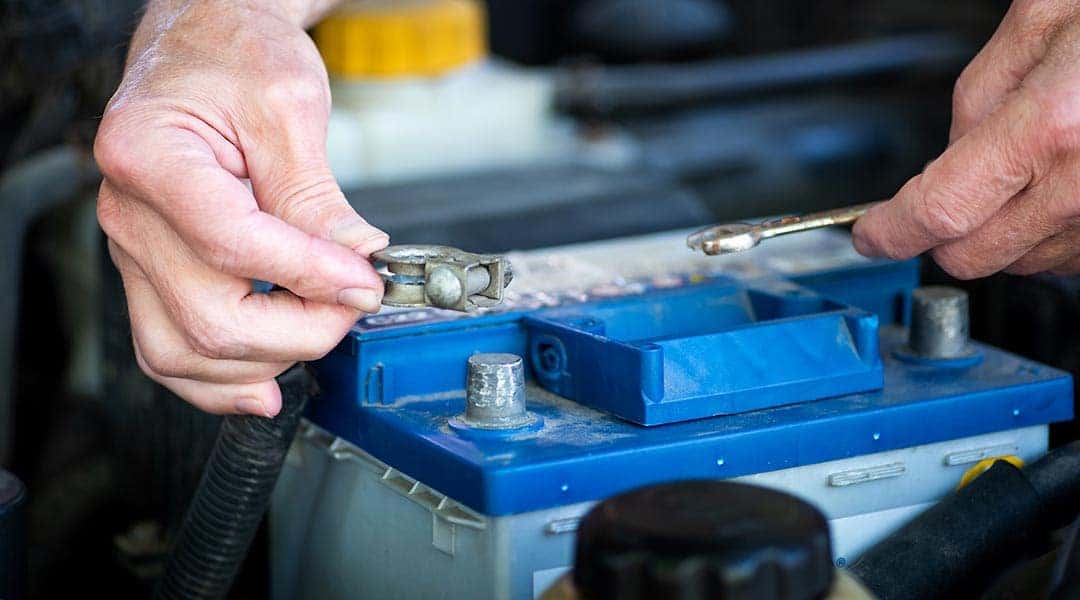 You can determine whether a battery or alternator has failed by performing a jump-start test: if the engine runs continuously after removing jumper cables, the battery is depleted, but if the engine stalls immediately, the alternator has failed. Persistent electrical glitches, dimming headlights while driving, and dashboard warnings also differentiate alternator issues from battery failure.
The alternator’s primary role is to supply electrical power to the vehicle while the engine is running and to restore energy to the battery spent during startup. When an alternator fails, it can no longer support the vehicle’s running electrical loads, forcing the vehicle to draw power directly from the battery until it is completely drained. Symptoms of a failing alternator include:
Conversely, a weak battery typically demonstrates starting difficulties after the vehicle has been parked, while allowing all onboard electronics to function normally once the engine is started. In sophisticated vehicles such as the 2026 Land Rover Range Rover Velar, low battery voltage during startup can trigger intermittent error messages for stability control or transmission modules. When exploring options for customizing a new vehicle specification, understanding how modern luxury power networks operate helps drivers maintain long-term electrical health.
Another common source of battery drain in keyless vehicles is proximity key fob placement. When a proximity key remains within 10 to 15 feet of the parked vehicle, onboard receivers remain active in communication mode. This prevents vehicle body control modules from entering low-power sleep state, resulting in a continuous parasitic draw that can discharge a healthy battery over a weekend.
Choosing the correct vehicle battery requires matching the physical BCI group size, meeting or exceeding the manufacturer’s recommended Cold Cranking Amps (CCA), and selecting the proper technology, such as an AGM battery for start-stop systems. Installing an under-rated or incorrect battery type causes slow cranking, rapid discharge, and potential electrical component strain.
Battery size classifications are governed by the Battery Council International (BCI), which assigns numerical group sizes based on physical dimensions, terminal post orientation, and hold-down clamp style. Common European SUV applications utilize Group 49 (H8), Group 48 (H6), or Group 94R (H7) configurations. Choosing the exact group size ensures the replacement unit secures tightly within the battery tray without risking short circuits against hood framing or heat shields.
Important electrical specifications to evaluate include:
Vehicles built with automatic start-stop technology, such as the 7-passenger 2026 Land Rover Discovery, require factory-specified AGM batteries. These units feature glass fiber mats that absorb liquid acid, allowing rapid recharge acceptance and heavy discharge cycling without plate degradation. Installing a conventional flooded battery into a vehicle calibrated for AGM technology causes premature overheating, electrolyte boil-off, and battery failure within months due to higher charging output profiles from the alternator.
In terrain like Coto De Caza, where steep foothill inclines and winding residential routes place consistent demands on engine systems, having a properly rated battery ensures dependable power delivery for power steering pumps, active anti-roll control systems, and engine management computers.
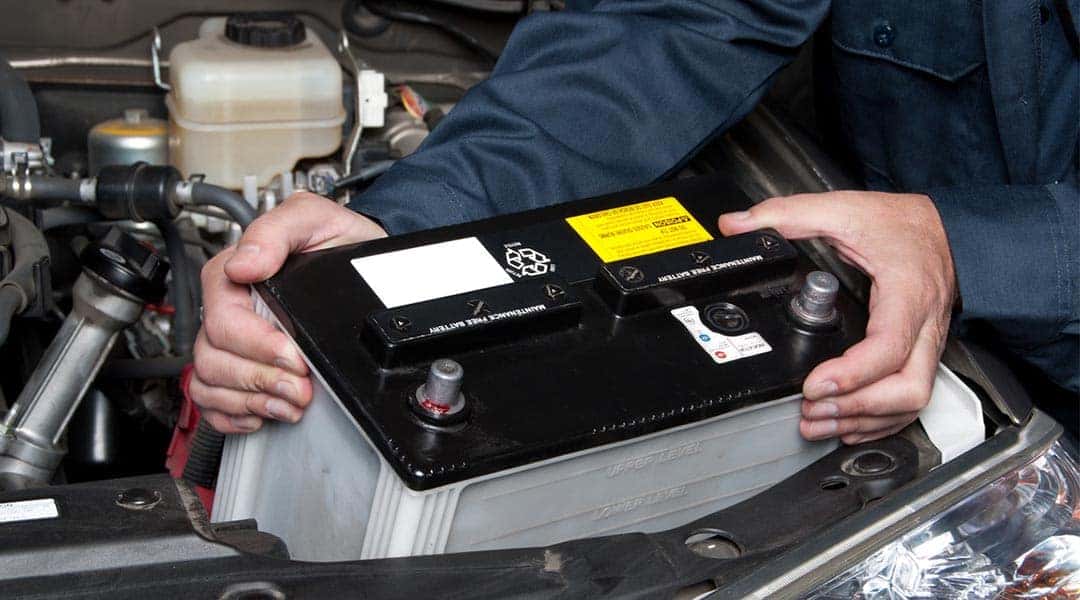 Professional dealership replacement guarantees correct OEM battery fitment and executes mandatory electronic battery registration to update the vehicle’s Battery Management System (BMS). This reset recalibrates alternator charging profiles, prevents battery overcharging, protects computer memory modules, and ensures optimal start-stop operation.
As a battery ages, its internal resistance increases. The intelligent BMS continuously monitors battery condition and instructs the alternator to increase charging voltage over time to maintain adequate charge states. When a new battery is installed without completing a BMS reset via an OBD-II diagnostic scan tool, the engine control computer applies high charging voltage intended for an old unit. This persistent overcharging overheats the new battery, degrades internal separators, and triggers spurious electronic system faults.
During factory-authorized installation, our service team utilizes auxiliary memory-saver power sources to preserve user settings, radio station presets, window travel limits, and emissions readiness monitors while the main power supply is disconnected. Our factory-trained technicians perform complete multi-point checks alongside battery installation, evaluating items like engine filters and cabin air elements. You can simplify your maintenance visit by scheduling a battery service appointment online, sourcing exact replacement components through our genuine OEM parts center, or bundling your visit with routine cabin air filter replacement.
Proper maintenance and timely battery replacement ensure uninterrupted electrical performance and prevent unexpected starting failures.
Yes, low system voltage from a degraded12-volt battery creates erratic sensor signals across onboard control modules. Modern luxury vehicles rely on stable voltage; when voltage drops during engine startup, computer systems may trigger false warning lights for stability control, transmission logic, or driver-assist features.
Frequent short trips under 10 minutes prevent the alternator from fully restoring the electrical charge expended during engine startup. Operating continuously at a partial state of charge accelerates plate sulfation, reducing total capacity and leading to premature battery replacement.
Automatic start-stop systems restart the engine dozens of times during a single drive, placing heavy cyclic demands on the electrical system. AGM batteries utilize absorbed glass mat separators that recharge faster and withstand deep power cycling without losing capacity, unlike standard flooded batteries.
A rapid clicking noise indicates that the battery has sufficient voltage to energize the starter solenoid, but lacks the necessary current to turn the starter motor. This symptom typically points to a heavily discharged or failing battery rather than a damaged starter motor.
Keeping a proximity key fob within 10 to 15 feet of your vehicle allows continuous wireless communication between the key and body control modules. This ongoing pinging prevents vehicle electronics from entering low-power sleep mode, creating a parasitic drain that can deplete a battery within several days.
When you suspect your vehicle’s electrical system requires attention, schedule a battery inspection at our local Marguerite Parkway service location. You can speak directly with an expert service advisor by calling 949-359-4941 or learn more about our dedicated team and certified maintenance capabilities before your next visit.
© 2026 Land Rover Mission Viejo. All rights reserved.